
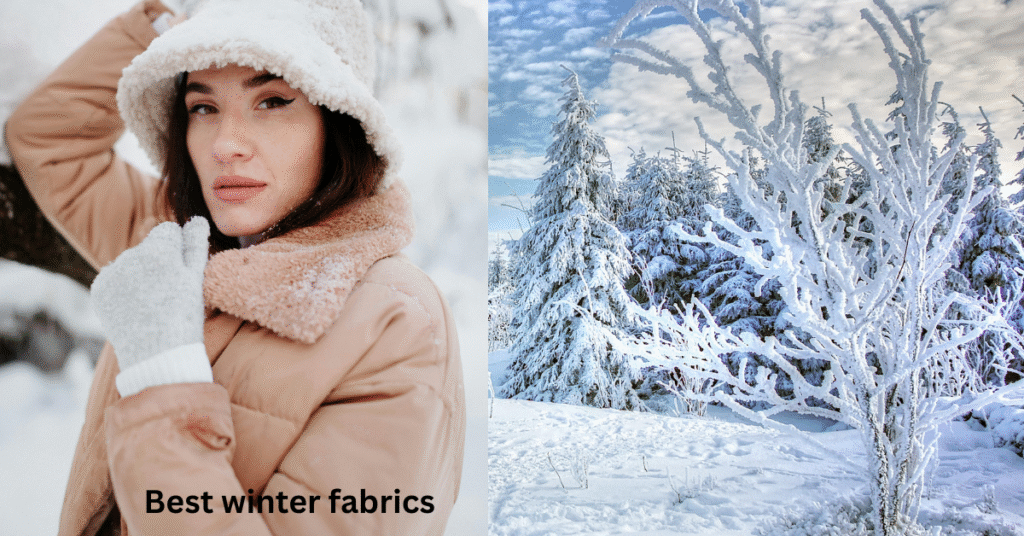
Winter in India is different from other parts of the world.
While some regions experience cold temperatures and even snow, others face only cool mornings and evenings. Because the weather varies so much, it’s essential to choose the best winter fabric for the season. The right and best winter fabric will help you stay warm, comfortable, stylish, and confident throughout the winter months.
This blog will guide you on how to select the best winter fabric, which fabrics are best suited for different weather conditions, and how to find the right clothing for your needs.
- Understand Your Climate First and then choose best winter fabric for yourself
Before choosing a winter fabric, it’s important to know the temperature and weather conditions of your city.
India has three main types of winter climates:
a) Mild Winter (e.g., Mumbai, Chennai, Hyderabad, Bengaluru)
Temperatures usually stay above 15°C.
In such conditions, you don’t need very heavy fabrics.
Light and breathable knitwear should be enough.
b) Moderate Winter (e.g., Delhi, Punjab, Rajasthan, Uttar Pradesh)
Temperatures can drop to 5–10°C.
For evening and night outings, you should go for medium to heavy-weight fabrics.
c) Harsh Winter (e.g., Himachal Pradesh, Uttarakhand, Kashmir)
Temperatures can go below zero.
In these areas, layered clothing and fabrics with high insulation are necessary.
2. Understanding your climate makes it much easier to select the right fabric for your needs.
Winter Fabrics – Top Choices
A. Wool
Wool is the most commonly used fabric for winter in India because it naturally keeps you warm.
It provides good insulation against the cold and retains heat effectively.
Reasons to choose wool:
– High insulating ability
– Breathable and moisture-wicking
– Durable and long-lasting
– Available in both lightweight and heavyweight options
– Suitable for moderate to harsh winters
Examples include sweaters, shawls, overcoats, and cardigans.
B. Cashmere
Cashmere is a premium fabric that is known for being extremely soft and warm.
It is often associated with luxury and high-end fashion due to its lightweight and elegant appearance.
Benefits of cashmere:
– Soft and skin-friendly
– Very warm
– Lightweight, elegant, and premium
– Best for cold winter nights in Delhi, northern India, and for special occasions
C. Fleece
Fleece is an artificial fabric made especially for winter.
It is comfortable, warm, and soft against the skin. It is also affordable and easy to care for.
Advantages of fleece:
– Lightweight and warm
– Soft and comfortable
– Quick-drying and easy to clean
– Inexpensive
Fleece is ideal for mild to moderate winters and for everyday wear as well as while traveling.
D. Flannel
Flannel is a type of cotton fabric that is brushed to give it a soft and warm feel.
It’s a good choice for those who prefer not to wear heavy, itchy, or irritating fabrics like wool.
Advantages of flannel:
– Soft, breathable, and non-itchy
– Provides gentle warmth
– Casual and stylish
Flannel is best used indoors, for sleeping, and in mild winters.
E. Velvet
Velvet adds warmth and richness to clothing, which is why it is often associated with party wear, ethnic wedding gowns, and high-end fashion.
Benefits of velvet:
– Warm and fashionable
– Adds a “royal” look
– Ideal for weddings, parties, evening events, and winter occasions
F. Tweed
Tweed is a heavy, textured fabric made from wool.
It is known for being durable and suitable for outerwear and jackets.
Advantages of tweed:
– Durable fabric
– Warmer than most other fabrics
– Trendy and fashionable
Tweed is great for winter, outdoor activities, and workwear.
G. Down (Feather) Insulation
Down jackets are filled with feathers from ducks or geese.
They are lightweight but extremely warm compared to bulky sweaters.
Reasons to choose down insulation:
– Excellent insulation
– Lightweight
– Ideal for very cold environments
Best for: Hiking, climbing, and areas with heavy snowfall.
H. Thermals
Thermals are the inner layer of your clothing and are made of synthetic materials, similar to your natural skin, to keep you warm.
Reasons to choose thermal layers:
Lightweight and highly efficient.
Excellent as the base layer of your clothing.
Great for everyday wear.
Best used in all winter locations (as an inner layer).
How To Pick The Proper Fabric Needed For Different Winter Activities
All activities require a different category of fabric for the winter. Pick your fabric based on activity.
For Generally Going Out To Work/College:
Wool Blends
Cotton & Fleece
Lightweight Sweaters
Flannel
For Going Out For Celebrating And/or Parties:
Velvet
Cashmere
Wool Shawls
Heavy Knit Dresses
For Traveling/Outdoor Activities:
Fleece Jackets
Down Jackets
Thermals
Wool Cardigans
Wearing the right type of fabric based on your day-to-day use and it will help you to choose best winter fabric.
Check The GSM (Weight Of The Fabric)
GSM stands for Grams per Square Metre. It is an indicator of the thickness and warmth of the material.
150-250 GSM: Mild Winter, Thin Layer options
250-350 GSM: Cold To Moderate Winter, Normal Sweater Options
350+ GSM: Very Cold Winter, Heavy Woollens and Jackets
The higher the GSM, the better the shopping for winter wear online, therefore, it’s essential to verify the GSM before making your purchase.
Consider Comfort and Breathability
Although winter garments are meant to insulate the wearer from the cold, they must also enable air to circulate through the garment and onto the wearer’s skin. When moisture is trapped inside the garment, it creates discomfort and often results in irritation to the skin.
Wood, cashmere, flannel, and a cotton blended fleece are all examples of suitable winter fabric that will enable air to circulate freely through the garment while keeping you warm.
Do not select synthetic or plastic-like materials because you will be uncomfortable in these fabrics for an extended period.
Layering is essential
Because of the unpredictability of winter weather patterns in India, it is essential to have several different types of clothing for winter. For example, mornings can be cold, afternoons can be warm, but nights can be extremely cold. Instead of buying just one heavy item, you should plan to have a variety of layers.
The ideal winter layering combination will be:
Layer 1: Thermal innerwear for heating purposes.
Layer 2: Mid-layer (sweater or cardigan)
Layer 3: Outer layer (Coat or Jacket)
Using this style of layering allows for warmth but does not create bulk in the clothing.
Seven. Consider Skin Sensitivities and Allergies.
Individuals with sensitive skin may have difficulty wearing garments made entirely of wool. If you suffer from this type of scenario, the best ox wool blend, fleece, flannel, soft knit-and cashmere will work best for your skin. You should avoid wearing any type of coarse wool if your skin reacts to this type of material.
8. Caring For Winter Fabrics
Wool, for example, should never be machine washed, but it can be washed by hand or dry cleaned, as opposed to cashmere, which can only be washed in water with a very gentle detergent. On the other hand, fleece can be safely washed in a washing machine, while velvet and down coats require dry cleaning or special processing, respectively.
As a general rule, it is always best to check the label on your garment before you clean it.
Final Thoughts
When choosing the ideal winter fabric, you should consider your climate, comfort level, and personal style. Whether you live in a warm city like Mumbai or deal with extreme cold winters in North India, your choice of fabric can greatly affect the overall comfort level of your winter apparel.
Choose fabrics that suit your lifestyle; fabrics that provide ample warmth; and fabrics that allow you to feel confident when you leave your house. With the right winter clothing, you will be able to enjoy the season in comfort and style.
Check our other bloghttps://honoriawear.store/elegant-budget-salwar-suits-that-dont-cost-a-fortune/